The Art of Chair Restoration: Expert Guide to Caned and Danish Cord Seat Repair
There’s something timeless about a well-made chair. Whether it’s a hand-me-down from your grandmother or a vintage market find, these pieces tell stories, and sometimes, they get a little worn out. But a damaged seat doesn’t mean it’s the end. With the right care and skill, your favourite chair can look as beautiful as the day it was made.
Let’s talk about the two most common seat types that often need some TLC: caned seats and Danish cord seats. Each has its own charm, and yes, they both can be brought back to life.
What is Caned Seat Repair?
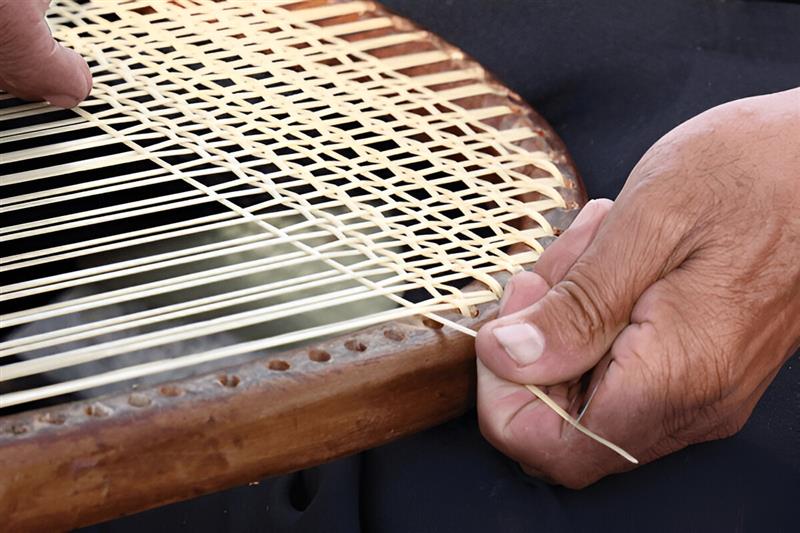
You’ve likely seen a caned chair before, those seats with a delicate woven pattern that looks like lace made from rattan. Caned seat repair is all about bringing that intricate look back when it starts to sag or break.
There are two types: hand-caning and machine-caning. Hand-caning weaves strands through holes and ties them below. It’s detailed, slow work, but the results are stunning. Machine-caning uses a pre-woven sheet pressed into a groove on the frame—still beautiful, just a different method.
If your caned seat is torn, sagging, or has a few broken strands, it’s time to consider repair. Fixing it professionally means your chair can be used for years without losing its vintage beauty.
The Beauty of Danish Cord Repair
Danish cord is a smooth, twisted paper rope used mostly in mid-century chairs. Known for its clean design, classic feel, and durability. But over time, even the toughest cord can wear down, especially if the seat sees a lot of use.
Danish cord repair removes the damage and reweaves it in the original style. The trick? Matching the original look so the seat feels just right. It takes patience and knowledge of different weaving styles, whether that’s the classic “envelope” weave or something more intricate.
Done right, Danish cord repair not only restores the look, it also protects the chair’s structure and gives it many more years of use.
Why Go for Professional Restoration?
Fixing a chair brings its past back to life. A DIY fix might be tempting, but weaving isn’t as simple as it looks. It takes years of practice to get the pattern and finish right.
When you trust professionals, you're getting more than a repair—you’re getting true craftsmanship. Caned seat repair and Danish cord repair both require the right materials and techniques to ensure the chair remains strong, comfortable, and beautiful.
It’s also a sustainable choice. Instead of tossing away a good chair, you’re saving resources, reducing waste, and reviving something unique.
In the End
Got a worn caned or Danish cord chair? Don’t toss it yet. These pieces are often better made than anything new you can buy, and they deserve a second chance.
Restoring a chair keeps its meaning alive, not just the furniture. Whether it’s an antique or just a well-loved favourite, proper restoration can make it shine again.
Ready to Bring Your Chair Back to Life?
Trust skilled hands to restore your caned or Danish cord chair with the right attention it needs. Contact Jardin Wicker today for a free estimate and give your furniture the expert touch it’s waiting for.
Frequently Asked Questions (FAQs)
If your caned seat is sagging, has broken or missing strands, or feels less supportive than it used to, it’s time to consider repair. Visible wear or damage typically indicates that the cane has reached the end of its lifespan.
Hand-caning involves weaving individual strands of cane through holes in the chair frame, while machine-caning uses a pre-woven sheet that is pressed into a groove. Hand-caning is more intricate and traditional, whereas machine-caning is quicker and more cost-effective.
The repair timeline depends on the complexity of the weave and the condition of the chair. On average, Danish cord repair can take anywhere from a few days to a couple of weeks to complete professionally.
While DIY repair is possible, it requires specific tools, materials, and a lot of patience. Professional restoration is highly recommended for best results, especially if you want the chair to look authentic and last longer.
Absolutely. Many older chairs are better crafted than modern mass-produced ones. Restoration not only saves a valuable piece of furniture but also supports sustainability and preserves the chair’s unique character and story.