How Chair Caning Restoration Extends the Life of Antique Furniture
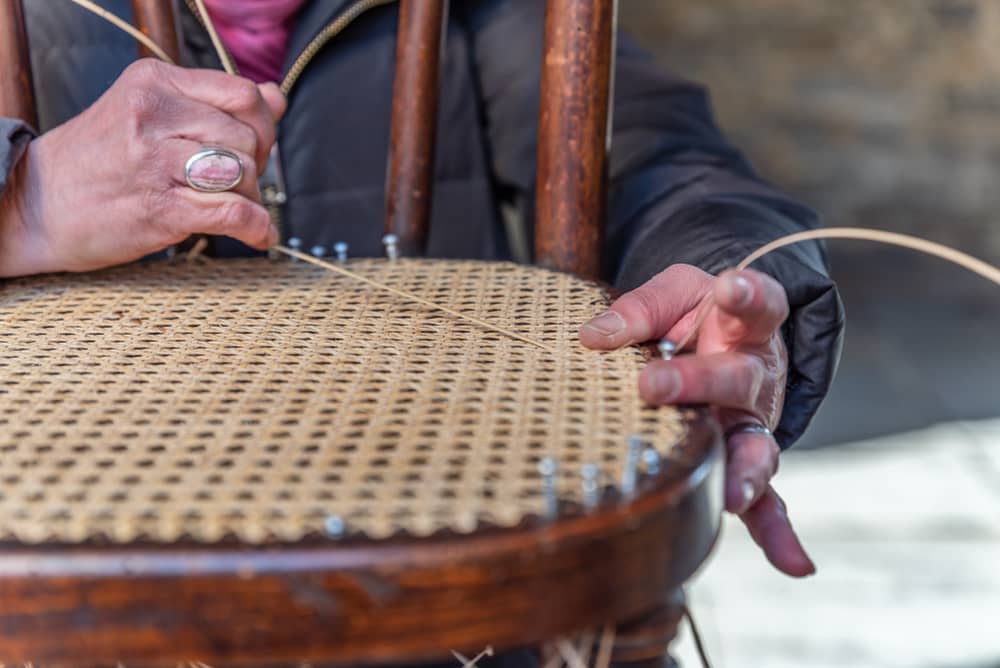
Antique furniture often carries both historical significance and sentimental value. From heirloom dining chairs to handcrafted accent pieces, these items reflect craftsmanship that is difficult to replicate in modern furniture. However, age, daily use, and environmental conditions can gradually weaken delicate components, particularly cane seating and backing.
One effective way to preserve these treasured pieces is through Caning restoration in Albany CA, a specialized process that helps maintain the structural integrity and appearance of antique furniture. By addressing worn or damaged cane before it leads to more extensive deterioration, restoration can significantly extend the usable life of valuable furnishings.
Understanding Chair Caning and Its Importance
Chair caning refers to the woven pattern commonly found in the seats and backs of antique and vintage chairs. Traditionally crafted from natural rattan cane, this material provides both flexibility and durability while contributing to the furniture's distinctive aesthetic.
Over time, cane can become brittle due to age, exposure to sunlight, fluctuating humidity levels, and regular use. When left untreated, damaged caning may place additional stress on the chair frame, potentially leading to costlier repairs.
Common Signs That Caning Needs Restoration
Recognizing early warning signs can help preserve antique furniture before significant damage occurs.
Sagging Cane
A seat or backrest that no longer maintains proper tension may indicate that the cane fibers are weakening.
Cracks and Breaks
Visible splits or broken strands reduce structural support and can worsen with continued use.
Discoloration and Dryness
Faded or brittle cane often signals age-related deterioration and increased susceptibility to damage.
Loose Weaving
When the woven pattern begins separating or shifting, restoration may be necessary to prevent further wear.
How Restoration Helps Preserve Antique Furniture
Chair caning restoration does more than improve appearance. It contributes directly to the long-term preservation of antique furniture.
Maintains Structural Integrity
Properly restored caning distributes weight evenly across the chair, reducing strain on wooden joints and frames.
Preserves Historical Authenticity
Restoration techniques often focus on maintaining the original design and craftsmanship, helping retain the furniture's historical character.
Prevents More Extensive Repairs
Addressing cane damage early can help avoid issues that may affect surrounding wood components or decorative elements.
Enhances Functionality
Restored caning allows antique chairs to remain usable while preserving their original charm.
The Role of Chair Caning Restoration for Furniture Longevity
Many furniture conservation specialists emphasize chair caning restoration for furniture longevity because it addresses one of the most vulnerable elements of antique seating. By replacing or repairing damaged cane while preserving the original frame, restoration helps furniture withstand continued use without sacrificing authenticity.
This proactive approach can be especially beneficial for family heirlooms, collectible furniture, and historically significant pieces that owners wish to preserve for future generations.
Restoration Versus Replacement
When antique caning becomes damaged, restoration is often preferable to replacing the entire piece of furniture.
| Restoration Benefits | Full Replacement Drawbacks |
|---|---|
| Preserves original craftsmanship | May reduce historical value |
| Maintains authentic appearance | Can alter original design |
| Often more cost-effective | Typically more expensive |
| Extends furniture lifespan | Loss of antique character |
For many antique owners and collectors, preserving original materials and construction methods remains a priority whenever possible.
Best Practices for Maintaining Restored Cane Furniture
After restoration, proper care can help maximize longevity.
- Keep furniture away from prolonged direct sunlight.
- Maintain stable indoor humidity levels.
- Clean cane surfaces gently with a soft brush
- Avoid placing excessive weight on cane seating.
- Schedule periodic inspections to identify early signs of wear.
Consistent maintenance helps protect both the cane and the surrounding wooden structure.
Conclusion
Chair caning restoration plays an important role in preserving the beauty, functionality, and historical integrity of antique furniture. By addressing deterioration before it affects the overall structure, restoration helps extend the life of treasured pieces while maintaining their original character. For collectors, homeowners, and antique enthusiasts alike, investing in proper caning care remains one of the most effective ways to protect furniture for generations to come.
If an antique chair is showing signs of worn, sagging, or damaged cane, professional restoration can help preserve its value and usability. For expert guidance on chair caning restoration, call 925-926-0342 to discuss restoration options and care recommendations for antique furniture.
FAQ
With proper care and normal use, professionally restored caning can last for many years, often decades depending on environmental conditions.
Minor issues may be repairable, while severely deteriorated caning may require complete reweaving or replacement.
Quality restoration often helps preserve or enhance value by maintaining functionality and protecting original craftsmanship.
Age, sunlight exposure, humidity fluctuations, and regular use are among the most common causes of cane deterioration.
Most antique chairs with woven cane seats or backs can benefit from restoration, though methods may vary depending on design and condition.