How Often Should You Follow Proper Care for Wicker Furniture?
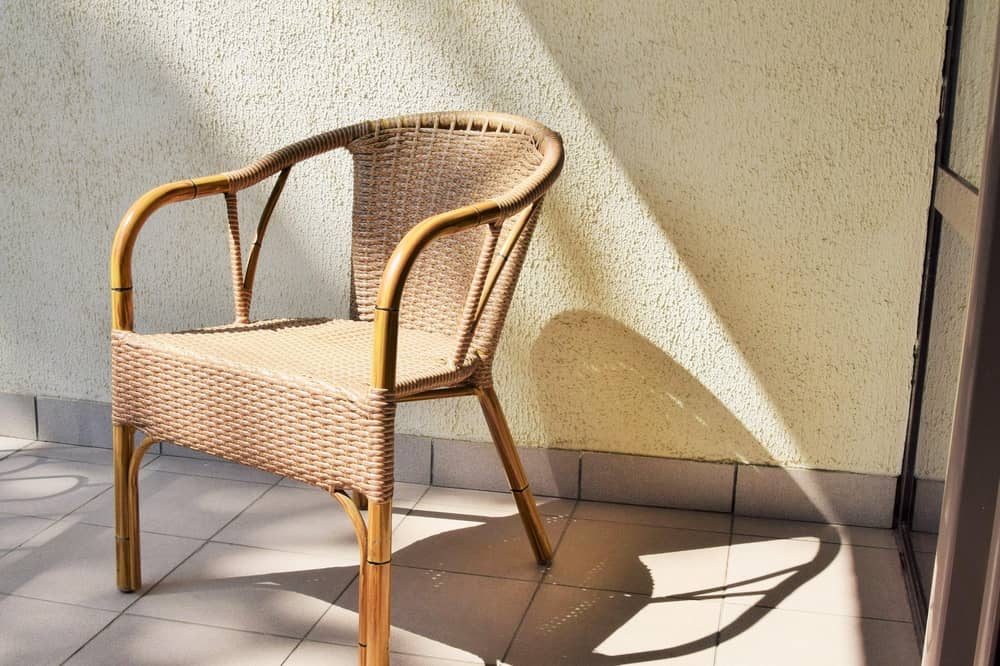
Wicker furniture adds timeless charm and comfort to both indoor and outdoor spaces. However, regular use, dust, moisture, and changing weather conditions can gradually weaken the woven fibers if proper maintenance is neglected. Establishing a consistent care routine helps preserve your furniture's appearance, strength, and longevity while reducing the need for extensive repairs in the future.
Homeowners looking for wicker chair repair in Albany CAoften find that routine maintenance can significantly extend the life of their favorite wicker pieces. Understanding how often to perform different cleaning and maintenance tasks keeps your furniture looking its best throughout the year.
Clean Your Wicker Weekly
Dust and dirt can settle between the woven strands over time.
Weekly care should include:
- Dusting with a soft brush
- Vacuuming with a brush attachment
- Wiping with a dry microfiber cloth
- Removing loose debris
- Inspecting for damage
Regular cleaning prevents dirt from becoming embedded in the weave.
Perform a Deep Cleaning Every Few Months
Occasional deep cleaning removes stubborn dirt and buildup.
To clean safely:
- Use mild soap and warm water
- Gently scrub with a soft brush
- Avoid soaking the wicker
- Rinse lightly if necessary
- Allow it to dry completely
Proper drying helps prevent mold and mildew.
Follow Proper Care for Wicker Furniture Throughout the Year
Consistent proper care for wicker furniture includes more than routine cleaning. Protect your furniture from prolonged moisture, direct sunlight, and extreme weather whenever possible. Indoor wicker benefits from occasional polishing, while outdoor wicker should be covered or stored during severe weather conditions. Regular inspections also help identify loose weaving or minor damage before it becomes a larger repair.
Preventive maintenance helps preserve both appearance and structural integrity.
Inspect for Wear Every Month
Monthly inspections can catch small issues before they worsen.
Check for:
- Loose strands
- Broken weaving
- Cracks
- Fading
- Frame instability
Early repairs are often simpler and more affordable.
Protect Outdoor Wicker
Outdoor furniture faces greater exposure to the elements.
Help protect it by:
- Using weather-resistant covers
- Keeping it under covered patios
- Avoiding standing water
- Moving it indoors during harsh weather
- Cleaning after storms
Protection helps extend furniture life.
Schedule Professional Repairs When Needed
Even well-maintained wicker may eventually require expert attention.
Professional repair can help restore:
- Broken weaving
- Damaged frames
- Loose joints
- Decorative details
- Overall structural strength
Timely restoration helps preserve valuable furniture.
Maintenance Schedule at a Glance
| Task | Recommended Frequency |
|---|---|
| Dust and vacuum | Weekly |
| Wipe surfaces | Weekly |
| Deep cleaning | Every 2–3 months |
| Inspect for damage | Monthly |
| Apply protective care | Seasonally |
| Professional inspection or repair | As needed |
Conclusion
Following a regular maintenance schedule is the best way to keep wicker furniture looking beautiful and functioning properly for years to come. Weekly cleaning, seasonal protection, monthly inspections, and proper care for wicker furniture all help prevent unnecessary wear and extend its lifespan. If your furniture has already developed damage, professional wicker chair repair Service can restore its beauty and structural strength.
Book Your Wicker Repair Today
Keep your wicker furniture in excellent condition with expert restoration services. Call 925-926-0342 to schedule your professional wicker chair repair consultation today.
FAQ
Light dusting should be done weekly, while a deeper cleaning every few months helps remove built-up dirt and maintain the wicker.
Outdoor wicker lasts longer when protected from prolonged sun exposure, rain, and extreme weather with covers or sheltered storage.
Loose weaving, broken strands, cracked frames, or weakened joints are signs that professional repair may be needed.
Yes. Routine cleaning and inspections help identify small issues early, preventing more extensive damage over time.