How to Maintain Outdoor Furniture and Protect It from Harsh Weather Conditions
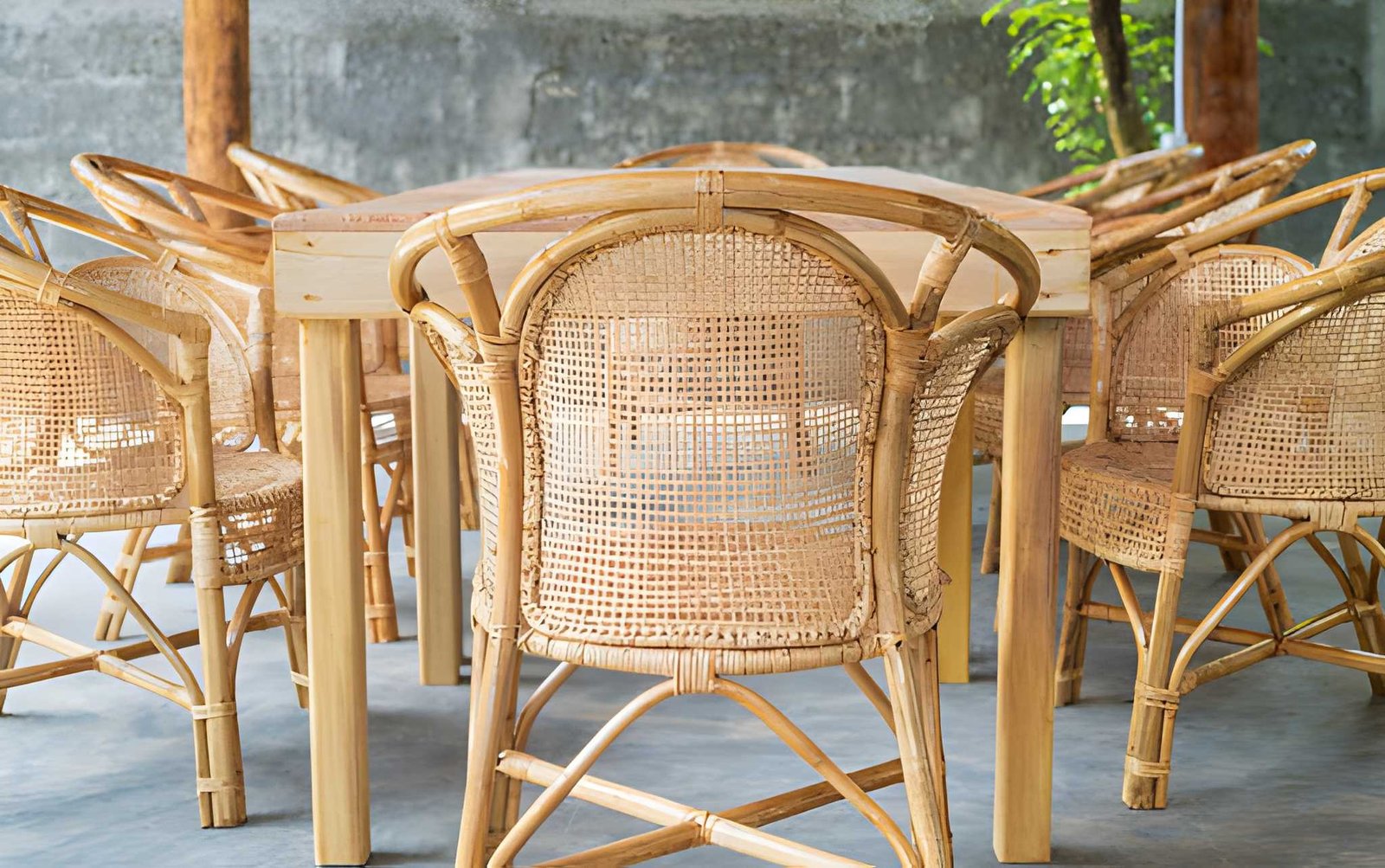
Outdoor furniture adds comfort and style to patios, gardens, balconies, and backyard spaces. However, exposure to sunlight, rain, moisture, and changing temperatures can gradually affect its appearance and durability. Following practical tips for maintaining outdoor furniture can help prevent unnecessary wear, preserve its finish, and keep it looking its best throughout the year.
Whether you have wicker chairs, patio tables, or woven outdoor seating, regular maintenance can make a noticeable difference. Here are seven practical ways to protect your outdoor furniture from harsh weather conditions and extend its useful life.
1. Clean Outdoor Furniture Regularly
Dirt, dust, pollen, and moisture can accumulate on outdoor furniture over time. If left unattended, these materials may affect its appearance and contribute to premature wear.
Use a soft brush or cloth to remove loose debris, and clean surfaces with a suitable cleaning solution recommended for the furniture's material. Avoid harsh chemicals and abrasive tools that could damage protective coatings or woven fibers.
For wicker furniture, pay attention to the spaces between the weave, where dirt and debris can collect. Regular, gentle cleaning helps maintain its appearance and makes it easier to spot early signs of damage.
2. Protect Furniture from Direct Sunlight
Extended exposure to direct sunlight can cause some outdoor furniture materials to fade, dry out, or become brittle. Even weather-resistant furniture benefits from additional protection during periods of intense sun.
Consider placing furniture beneath a covered patio, pergola, or shade structure. Outdoor umbrellas and protective covers can also help reduce direct exposure when the furniture is not in use.
If you have wicker seating, check the manufacturer's care instructions before applying any protective product. Natural wicker and synthetic resin wicker can have different maintenance requirements, so using the correct approach is important.
3. Keep Furniture Dry and Improve Ventilation
Rain and trapped moisture can create maintenance challenges, particularly when furniture remains wet for extended periods. Depending on the material, moisture may contribute to mold, mildew, corrosion, or deterioration.
After rainfall, allow furniture to dry thoroughly. Remove standing water from flat surfaces and cushions, and avoid placing furniture directly against damp walls or in areas where water regularly collects.
Good airflow is equally important. Arrange furniture so that moisture can evaporate rather than becoming trapped beneath cushions or between closely positioned pieces. During prolonged wet weather, move vulnerable items to a covered, well-ventilated area.
4. Use Suitable Covers During Severe Weather
Protective covers offer a practical way to shield outdoor furniture from rain, dust, debris, and intense sunlight. They can be especially useful during storms, seasonal weather changes, or extended periods when outdoor spaces are not being used.
Choose covers designed for outdoor furniture that fit properly and allow sufficient ventilation. Covers that trap moisture can create additional problems, so make sure furniture is dry before covering it and follow the cover manufacturer's instructions. For more guidance, explore the University of Minnesota Extension's outdoor care resources.
For stronger storms or extreme weather, move lightweight furniture indoors or to a secure sheltered location whenever possible.
5. Inspect Wicker Furniture for Signs of Damage
Wicker furniture requires occasional inspections to identify loose strands, broken weaving, unstable joints, and other signs of wear. Addressing minor problems early may help prevent them from becoming more extensive.
Check the frame for movement, examine the woven surface for loose or damaged sections, and look for fading or deterioration caused by prolonged weather exposure.
If your furniture has visible damage, professional wicker chair restoration in Albany CA may be worth considering. A restoration professional can assess the chair's condition and determine whether repairs, reweaving, refinishing, or other work may help restore its appearance and usability.
6. Maintain Cushions and Other Accessories
Outdoor cushions, pillows, and fabric accessories also need regular care. Moisture, sunlight, dirt, and spills can affect their appearance and condition over time.
Follow the manufacturer's cleaning instructions, remove spills promptly, and allow cushions to dry completely before storing them. When possible, keep removable cushions in a dry storage area during heavy rain or when they are not being used for extended periods.
Check seams, zippers, and fabric surfaces periodically for signs of wear. Keeping accessories clean and dry helps maintain the overall appearance and comfort of your outdoor seating area.
7. Follow a Seasonal Maintenance Routine
One of the most effective ways to extend the lifespan of outdoor furniture is to establish a simple maintenance schedule. Small, consistent tasks can help you identify problems before they require more extensive repairs.
At the beginning of each season, clean your furniture, inspect its frame and finish, check protective covers, and tighten any loose hardware where appropriate. Before periods of heavy rain or intense sunlight, review how each piece is positioned and whether additional protection is needed.
Keep a record of repairs and maintenance products used, especially for higher-value wicker furniture. Following material-specific care instructions can help prevent accidental damage and make routine upkeep more manageable.
When Should You Consider Professional Wicker Restoration?
Routine cleaning and protective measures can help preserve outdoor furniture, but they cannot resolve every type of damage. Broken weaving, weakened frames, loose joints, and significant deterioration may require a closer assessment.
Before replacing a favorite wicker chair, consider whether restoration is a practical option. The appropriate repair depends on the furniture's construction, material, condition, and the extent of the damage.
A professional assessment can help you understand the available options and decide whether repairing an existing piece makes sense for your needs.
Final Thoughts
Protecting outdoor furniture from harsh weather starts with regular cleaning, appropriate shade, moisture control, protective covers, and seasonal inspections. These simple habits can help preserve its appearance and reduce avoidable wear over time.
If your wicker furniture already shows signs of damage, professional restoration may offer another option besides replacement. With the right maintenance routine and timely repairs, you can continue enjoying your outdoor seating for years to come.
Restore Your Wicker Furniture with Jardin Wicker
If your outdoor wicker chairs need attention, Jardin Wicker can help you explore restoration options for worn or damaged pieces. Contact the team to discuss your furniture and determine the next steps.
Call Jardin Wicker at 925-926-0342 to learn more about wicker chair restoration and furniture care.
Frequently Asked Questions
Outdoor furniture should be cleaned regularly to remove dirt, pollen, and debris. Cleaning frequency depends on weather exposure, usage, and the furniture's material.
Keep wicker furniture in a sheltered area when possible, use suitable breathable covers, and allow it to dry thoroughly after rain. Follow the manufacturer's care instructions for the specific wicker material.
Regular cleaning, sun protection, moisture control, seasonal inspections, and timely repairs can help reduce wear and preserve outdoor furniture.
Yes, some damaged wicker chairs can be restored depending on their material, frame condition, and extent of damage. Professional restoration may include repairing the weave, stabilizing the frame, or refinishing surfaces.
Consider professional restoration when you notice broken weaving, loose joints, an unstable frame, or visible deterioration that routine cleaning cannot address. An assessment can help determine whether repair is practical.