How Can You Protect and Maintain Wicker Furniture in Any Weather?
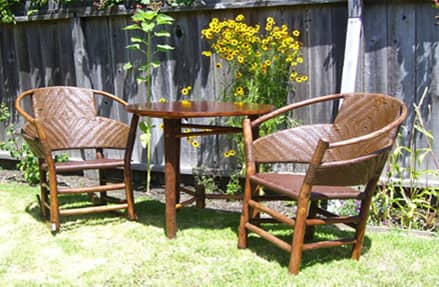
Wicker furniture can bring warmth, texture, and character to indoor and outdoor spaces, but regular exposure to sunlight, moisture, humidity, wind, and temperature changes can gradually affect its appearance and condition. Proper maintenance helps protect the material and allows furniture to remain attractive and functional for longer.
Whether you have a wicker chair on a covered patio or a complete outdoor seating arrangement, a consistent care routine can help minimize weather-related wear. When furniture eventually develops significant damage, professional wicker chair restoration in Albany CA can help restore its appearance and usability.
Why Does Weather Affect Wicker Furniture?
Wicker furniture can be affected differently depending on the material, construction, and environment. Outdoor pieces are particularly exposed to changing weather conditions.
Common concerns include:
- Moisture and humidity
- Prolonged sunlight
- Dirt and dust buildup
- Temperature fluctuations
- Wind and airborne debris
- Mold or mildew in damp conditions
- Dryness that can contribute to brittleness
Understanding these factors makes it easier to create an appropriate maintenance routine.
How Can You Protect Wicker Furniture from Moisture?
Moisture is one of the biggest concerns for wicker furniture that remains outdoors. Excess water can contribute to deterioration, discoloration, or other material problems over time.
Whenever possible, place wicker furniture in a covered or partially sheltered area. After rain or accidental spills, allow the furniture to dry thoroughly rather than leaving moisture trapped between woven sections.
Avoid placing wicker furniture directly in areas where water regularly collects. Good airflow around the furniture can also help moisture evaporate more effectively.
Protect Wicker Furniture from Direct Sunlight
Sun exposure can gradually affect the appearance of wicker furniture. Prolonged exposure may contribute to fading, drying, or changes in the material's finish.
Consider positioning outdoor wicker furniture under a covered patio, pergola, or other shaded area during periods of intense sunlight. Outdoor covers can provide additional protection when furniture is not being used.
Rotating furniture occasionally can also help distribute exposure more evenly.
Follow Simple Wicker Furniture Care Tips
Consistent maintenance doesn't have to be complicated. Following basic wicker furniture care tips can help prevent dirt and debris from accumulating and make it easier to identify problems early.
A simple routine can include:
- Dusting the woven surface regularly.
- Removing leaves and outdoor debris.
- Cleaning spills as soon as possible.
- Checking for loose or damaged strands.
- Allowing furniture to dry completely after cleaning.
- Inspecting joints and frames periodically.
- Using protective covers when appropriate.
Small maintenance tasks performed regularly are generally easier than trying to address extensive buildup or damage later.
How Should You Clean Wicker Furniture?
Cleaning methods should depend on the specific type of wicker and its finish. In general, gentle cleaning is preferable to aggressive scrubbing.
Use a soft brush or cloth to remove loose dirt from the woven areas. For appropriate outdoor wicker materials, a mild cleaning solution may be used according to the manufacturer's care recommendations.
Avoid excessive water and harsh chemicals that could affect the material or finish. After cleaning, allow the furniture to dry thoroughly before covering or storing it.
What About Outdoor Wicker Furniture Care?
Outdoor wicker furniture care requires additional attention because outdoor pieces experience more environmental exposure than indoor furniture.
For outdoor furniture:
Use Protective Covers
A breathable, properly fitted cover can help protect furniture from rain, dirt, and prolonged sun exposure when it is not being used.
Provide Shelter
Keeping furniture beneath a roof or covered patio can reduce direct exposure to harsh weather.
Improve Airflow
Avoid positioning furniture where moisture becomes trapped. Adequate airflow can help the material dry after rain or cleaning.
Inspect After Severe Weather
Strong winds, heavy rain, and other weather events can cause physical damage. Check the furniture afterward for loose weaving, cracks, movement in the frame, or other issues.
How Can You Prevent Mold and Mildew?
Damp conditions can create an environment where mold and mildew become more likely. Keeping wicker furniture clean and dry is an important part of prevention.
If furniture becomes wet, allow it to dry completely. Avoid storing damp furniture in enclosed spaces, as limited airflow can prolong moisture exposure.
Regularly inspect less visible areas, including underneath cushions and around tightly woven sections, where moisture may remain unnoticed.
How Can You Protect Wicker During Seasonal Changes?
Wicker furniture may benefit from different care strategies throughout the year.
During wetter seasons, focus on keeping furniture dry and protected from prolonged moisture. During periods of intense sunlight, provide shade or use appropriate covers.
If severe weather is expected, move portable furniture into a sheltered location when practical. For furniture that remains outdoors year-round, inspect it regularly for early signs of deterioration.
When Does Wicker Furniture Need Professional Restoration?
Routine maintenance can help prevent avoidable wear, but it cannot eliminate every type of damage. Over time, wicker furniture may develop loose weaving, broken strands, damaged frames, fading, or other issues.
Professional restoration may be worth considering when you notice:
- Broken or missing wicker strands
- Loose or sagging weaving
- Damaged frames
- Significant fading
- Structural instability
- Extensive weather-related wear
Addressing these problems earlier may make restoration more manageable and help preserve the original character of the furniture.
Can Proper Maintenance Extend the Life of Wicker Furniture?
Yes. Regular cleaning, protection from harsh weather, careful placement, and timely repairs can help wicker furniture remain attractive and functional for longer.
Maintenance is especially important for outdoor pieces because they face continuous exposure to environmental conditions. A consistent care routine also makes it easier to identify small problems before they become more extensive.
Conclusion
Wicker furniture can remain beautiful and useful for years when it receives consistent care and appropriate protection from the elements. Keeping it clean, limiting prolonged moisture and sunlight exposure, using suitable covers, and inspecting it regularly can help reduce weather-related wear.
If your wicker furniture has already developed broken weaving, structural problems, or significant weather damage, professional restoration can provide a way to refresh and preserve the piece rather than replacing it.
For professional wicker furniture restoration services, contact Jardin Wicker at 925-926-0342 to discuss your furniture and restoration needs.
Frequently Asked Questions
The ideal cleaning schedule depends on how frequently the furniture is used and how much environmental exposure it receives. Outdoor pieces may require more frequent cleaning than indoor furniture.
Some outdoor wicker furniture is designed for outdoor use, but prolonged exposure to rain can still contribute to wear. Using covers and providing shelter can help reduce unnecessary moisture exposure.
Place furniture in shaded or covered areas when possible and use suitable protective covers when it is not being used. Regularly checking the finish can also help identify fading early.
Consider professional restoration when you notice broken weaving, loose strands, damaged frames, significant fading, or other problems that routine cleaning cannot resolve.