How Can You Protect Outdoor Furniture from Seasonal Weather Damage?
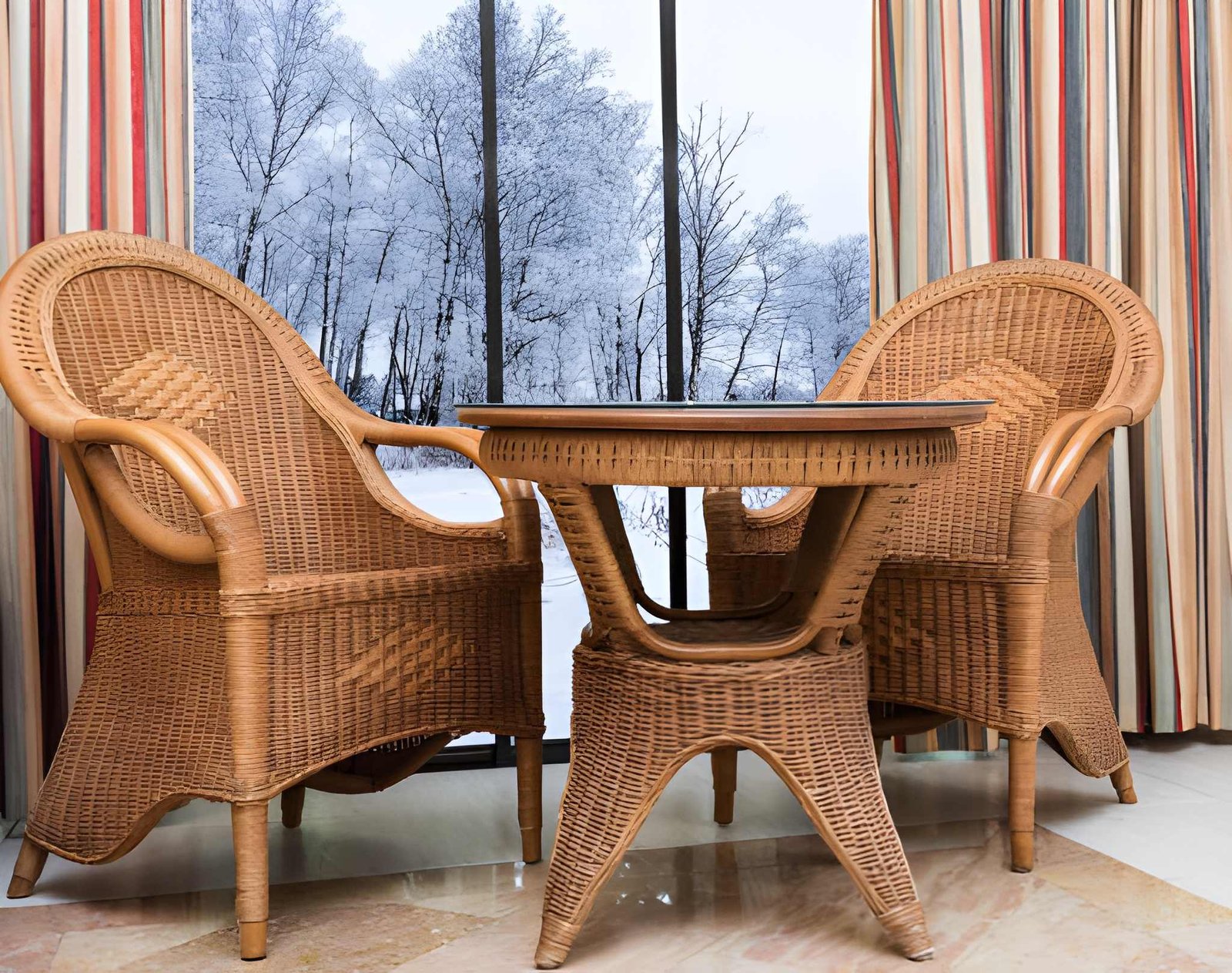
Outdoor furniture can add comfort and style to patios, decks, gardens, and other exterior spaces, but changing weather conditions can gradually affect its appearance and condition. Sun exposure, moisture, temperature changes, dirt, and wind can contribute to fading, drying, staining, or general wear over time. A consistent care routine can help homeowners identify problems early and keep outdoor furniture looking its best.
How Can Seasonal Weather Affect Outdoor Furniture?
Outdoor furniture is regularly exposed to conditions that indoor furnishings do not have to withstand. Strong sunlight can cause certain finishes and materials to fade, while moisture can contribute to mildew, staining, or deterioration when furniture is not properly maintained. Temperature fluctuations can also affect materials as they expand and contract.
Wicker furniture can be particularly sensitive to prolonged exposure to direct sunlight and moisture. Regular cleaning and appropriate protection can help minimize weather-related wear and extend the useful life of outdoor pieces. Iowa State University Extension recommends regular cleaning of outdoor furniture and notes that wicker can dry out in the sun, making shade and periodic care important.
What Are the Best Ways to Protect Outdoor Furniture?
Protecting outdoor furniture does not always require complicated maintenance. A few consistent habits can make a significant difference in how furniture looks and performs throughout the year.
Keep Furniture Clean
Dirt, dust, pollen, and other outdoor debris can accumulate on furniture surfaces. If these materials remain in place for extended periods, they can contribute to staining and make the furniture more difficult to clean later.
Regularly dust or vacuum furniture before cleaning it. For appropriate materials, use a mild cleaning solution and avoid harsh products unless they are specifically recommended for the furniture. Always follow the manufacturer's care instructions.
Reduce Prolonged Sun Exposure
Direct sunlight can gradually affect outdoor furniture, particularly materials that may dry out or fade with prolonged exposure. Whenever possible, position furniture in a shaded or partially shaded area.
Umbrellas, covered patios, shade structures, or furniture covers can also help reduce direct exposure. For wicker pieces, providing shade can be especially useful because prolonged sun exposure may dry the material over time.
Protect Furniture from Excess Moisture
Rain and humidity are unavoidable for outdoor furniture, but allowing moisture to remain trapped on or around furniture can contribute to problems over time. After heavy rain, allow furniture to dry thoroughly whenever practical.
Furniture covers can provide additional protection during periods of extended rain or when pieces are not being used. However, covers should be appropriate for the furniture and should not trap unnecessary moisture underneath.
What Does Outdoor Furniture Maintenance Involve?
Outdoor Furniture Maintenance should include more than occasional cleaning. Inspecting furniture regularly can help homeowners notice loose components, damaged surfaces, fading, mildew, or other signs of wear before they become more difficult to address.
For wicker furniture, check the weave for areas that appear loose, cracked, broken, or significantly worn. Also inspect the frame and joints to make sure the furniture remains stable. Iowa State University Extension recommends checking outdoor furniture hardware and replacing damaged or rusted fasteners where necessary.
A seasonal inspection is especially useful before placing furniture back into regular outdoor use. Cleaning, drying, tightening hardware, and addressing visible damage can help prepare furniture for another season.
How Should You Care for Wicker Furniture During Different Seasons?
Wicker furniture can benefit from a consistent seasonal routine because environmental conditions change throughout the year.
Spring
Spring is a good time to inspect furniture after winter storage or exposure. Remove accumulated dust and debris, check for damage, and clean the surfaces according to the material's care instructions.
Look closely at the weave and frame for signs of wear. Addressing minor issues before regular outdoor use can help prevent them from becoming larger restoration concerns.
Summer
Summer often brings increased sun exposure and higher temperatures. Keep wicker furniture away from prolonged direct sunlight when possible and use shade to reduce drying.
Regularly remove dust, leaves, and other debris. If furniture becomes wet, allow it to dry properly rather than leaving moisture trapped against the surface.
Fall
Before colder and wetter weather arrives, clean outdoor furniture and inspect it carefully. Remove leaves and other organic debris that can accumulate around the furniture.
If possible, move pieces into a protected location or use suitable covers during extended periods of poor weather. Preparing furniture before winter can reduce the amount of exposure it receives during the colder months.
Winter
If outdoor furniture is not designed for year-round exposure, consider storing it in a dry, protected location. For larger pieces that cannot be moved indoors, use appropriate covers and place them in an area protected from excessive moisture and harsh weather.
Avoid assuming that every cover or storage method works for every material. The manufacturer's recommendations should always take priority.
How Can Wicker Furniture Care Help Prevent Damage?
Consistent wicker furniture care can help preserve both the appearance and condition of wicker pieces. Start by removing loose dust and debris before cleaning. A soft brush, vacuum, or appropriate cloth can help reach dirt caught within the weave.
Cleaning should be gentle enough to avoid damaging the material or finish. After cleaning, allow the furniture to dry thoroughly. Iowa State University Extension specifically notes that wicker should be protected from excessive sun exposure and periodically cleaned and refinished when needed.
It is also important to distinguish normal surface wear from structural damage. Minor fading or surface dullness may be addressed through appropriate maintenance, while broken strands, significant cracking, or weakened frames may require professional restoration.
When Should You Consider Professional Wicker Restoration?
Regular maintenance can help prevent avoidable wear, but it cannot always reverse existing damage. Professional restoration may be worth considering when wicker furniture has noticeable deterioration that cleaning and routine care cannot address.
Signs that a piece may need professional attention include:
- Broken or missing wicker strands
- Significant fading or finish deterioration
- Loose or damaged weaving
- Cracked or weakened sections
- Structural problems with the frame
- Furniture that has lost its original appearance
- Damage from prolonged outdoor exposure
For homeowners looking for wicker chair restoration in Albany CA, professional assessment can help determine whether a chair can be repaired or restored rather than replaced. Restoration may involve addressing damaged areas, repairing the weave, refinishing surfaces, or improving the overall appearance of an existing piece.
Can Protective Covers Help Outdoor Furniture Last Longer?
Protective covers can provide an additional layer of protection when furniture is not being used. They can help reduce direct exposure to sunlight, rain, dust, and other outdoor elements.
However, covers should be selected based on the furniture material and expected weather conditions. A cover that does not allow appropriate airflow or is used incorrectly may create unwanted moisture underneath.
Furniture should also be cleaned before extended storage or covering. Placing a cover over dirty or damp furniture can make existing problems more difficult to address later.
How Can You Know When Furniture Needs More Than Routine Care?
A change in appearance does not always mean that furniture needs to be replaced. In some cases, restoration may be an option, particularly when the underlying frame remains usable.
Look for changes such as worsening cracks, broken weaving, loose joints, significant discoloration, or deterioration that continues despite regular maintenance. Addressing these signs early may provide more options than waiting until the furniture has sustained extensive damage.
Professional restoration can also be useful when you have a valuable, sentimental, vintage, or custom wicker piece that you would prefer to preserve rather than replace.
How Can You Protect Outdoor Furniture Year-Round?
The most effective approach is to combine regular cleaning, seasonal inspections, appropriate placement, and protection from excessive weather exposure. Furniture should be cleaned according to its material, allowed to dry properly, and checked for signs of damage throughout the year.
For wicker specifically, reducing prolonged exposure to direct sunlight, keeping the material clean, and addressing damage when it first appears can help maintain its condition. Regular maintenance is not only about appearance; it can also help identify problems before they become more extensive.
Final Thoughts
Seasonal weather can gradually affect outdoor furniture, but consistent care can help reduce unnecessary wear. Cleaning furniture regularly, limiting prolonged sun exposure, protecting pieces from excessive moisture, and inspecting them at the start and end of each season can support long-term maintenance.
If your outdoor wicker furniture has signs of wear, damage, or weather-related deterioration, professional restoration may help preserve the piece and extend its useful life. Jardin Wicker provides wicker furniture restoration services tailored to the condition and needs of each piece. To discuss your furniture restoration needs, call (925) 926-0342 or email info@jardinwicker.com.
Frequently Asked Questions
Sun, rain, humidity, and temperature changes can contribute to fading, drying, staining, and general wear on outdoor wicker furniture.
Outdoor wicker furniture should be cleaned regularly to remove dust, pollen, leaves, and other debris before buildup causes additional wear.
Positioning furniture in shaded areas and using appropriate covers when it is not in use can help reduce prolonged exposure to direct sunlight.
Professional restoration may be appropriate when wicker has broken strands, loose weaving, significant fading, cracking, or other damage that routine maintenance cannot address.
In many cases, wicker furniture can be repaired or restored depending on the extent of the damage and the condition of its underlying frame.