When Should You Restore Outdoor Furniture Instead of Replacing It?
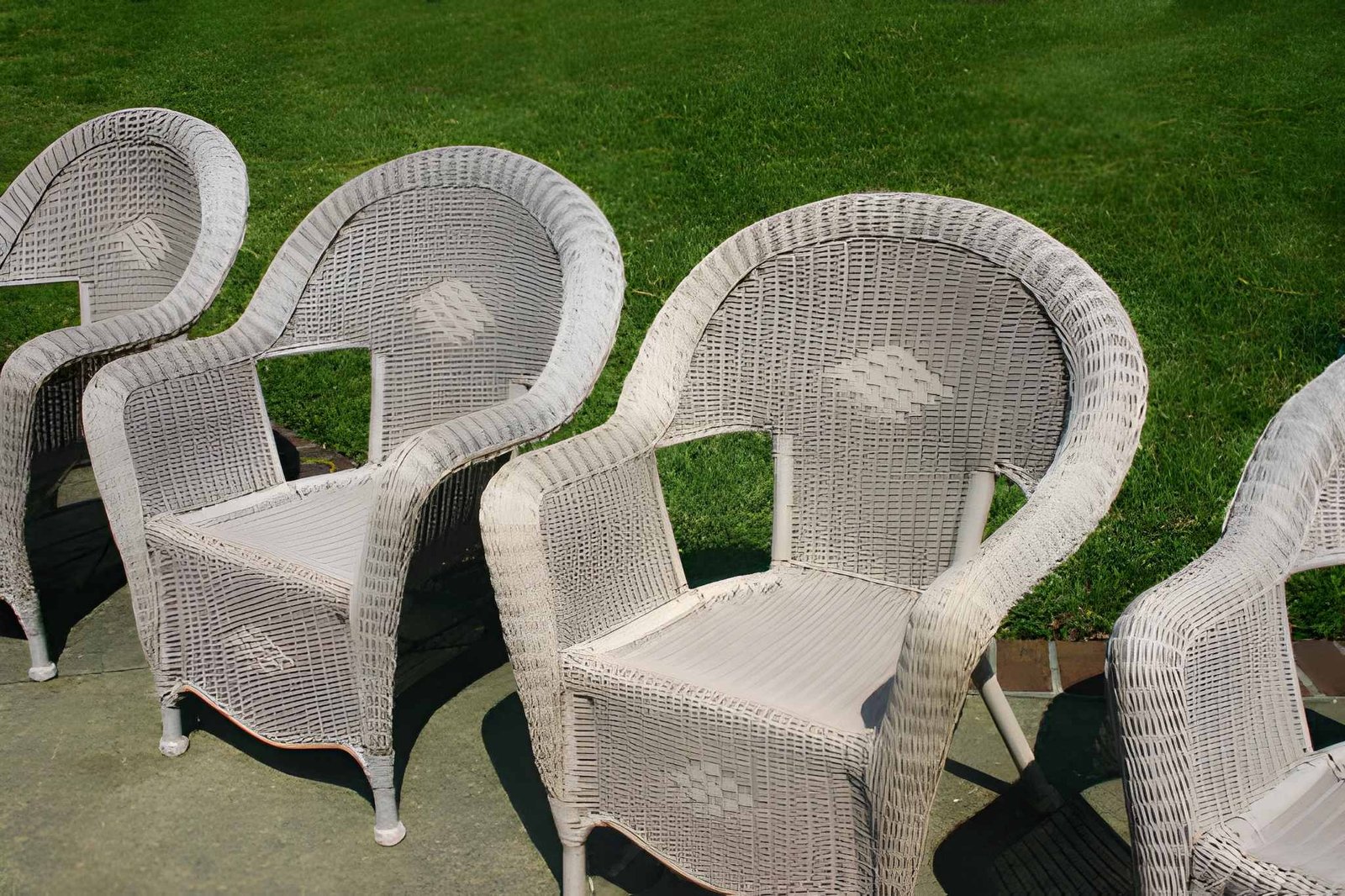
Outdoor furniture is exposed to sunlight, rain, humidity, temperature changes, and regular use, so signs of wear are natural over time. Faded finishes, loose materials, damaged weaving, worn cushions, and surface deterioration can make an otherwise useful piece look ready for replacement. However, visible wear does not always mean the entire piece needs to be discarded.
Before buying new furniture, it is worth assessing the condition of the existing piece. If the frame remains structurally sound and the damage is limited to certain components or surface areas, restoration may be a practical way to preserve the furniture while refreshing its appearance and function.
What Should You Check Before Replacing Outdoor Furniture?
Start by examining the furniture's overall condition. Look closely at the frame, joints, weave, finish, hardware, and other components that contribute to its structure and appearance.
For wicker furniture, check whether individual strands are loose, broken, faded, or beginning to unravel. Also examine the frame for cracks, instability, or significant corrosion. A structurally sound frame may make restoration worth considering, while extensive structural damage may require a different solution.
This Old House similarly recommends assessing the material and condition of outdoor furniture before deciding whether repair or replacement is necessary.
When Can Wicker Furniture Be Restored?
Outdoor furniture may be a good candidate for restoration when the frame remains stable and the damage is limited to areas such as worn finishes, loose components, surface damage, or replaceable materials. Outdoor furniture restoration can address a range of repair and refinishing needs, depending on the material and condition of the piece
Wicker Furniture Repair Restoration Services can address certain problems such as damaged or loose weaving, worn finishes, and other issues depending on the material and condition of the piece. Professional assessment can help determine whether the existing furniture can be repaired, refinished, or restored rather than replaced.
Restoration may be particularly worthwhile when the furniture has a distinctive design, sentimental value, high-quality construction, or a frame that would be difficult to replace with a comparable new piece.
What Are the Benefits of Wicker Furniture Restoration?
There are several potential Benefits of Wicker Furniture Restoration when the existing piece remains structurally sound.
Preserve Existing Furniture
Restoration allows homeowners to keep furniture that already fits their outdoor space, personal style, and functional needs. This can be especially valuable when replacing a discontinued or distinctive piece would be difficult.
Refresh the Appearance
Faded finishes, worn surfaces, and damaged weaving can affect the overall appearance of outdoor furniture. Appropriate restoration can help refresh the piece while preserving its original character.
Address Specific Damage
Replacing an entire furniture set may not be necessary when the damage is limited to certain areas. Depending on the material and condition, restoration can focus on the components that actually need attention.
Extend the Useful Life
Repairing and maintaining an otherwise usable piece can help extend its service life. Outdoor furniture repair guides commonly recommend assessing the frame and individual components before deciding that full replacement is necessary.
When Is Replacement a Better Option?
Restoration is not always the right choice. Replacement may make more sense when the underlying structure has extensive damage that cannot be reliably repaired.
Look for signs such as:
- Severely cracked or broken frames
- Extensive corrosion affecting structural components
- Widespread deterioration of the furniture material
- Multiple areas of serious structural damage
- Repairs that would not provide a durable result
- Furniture that no longer meets your functional needs
The condition of the frame is particularly important. If the frame is structurally compromised, restoring only the surface or woven material may not solve the underlying problem.
Does the Material Affect the Restoration Decision?
Yes. Different outdoor furniture materials respond differently to weather exposure, wear, and restoration techniques.
Natural wicker, synthetic wicker, metal, wood, and other materials may require different repair or refinishing methods. For example, wicker may require careful attention to damaged strands and weaving, while metal furniture may require corrosion treatment, refinishing, or hardware repairs.
Homes & Gardens notes that outdoor wicker can develop fraying, loose weaving, and other forms of wear and discusses restoration and protection techniques for damaged pieces.
Understanding the material before attempting repairs is therefore important. Using the wrong cleaning product, repair method, or finish could cause additional damage.
How Can You Tell If Wicker Furniture Needs Professional Restoration?
Some minor cosmetic issues may be manageable through routine care, but more extensive damage may benefit from professional attention.
Consider professional restoration when you notice:
- Broken or missing wicker strands
- Loose or unraveling sections
- Significant fading or finish deterioration
- Damaged joints
- Repeated repairs that do not hold
- Widespread weather-related deterioration
Professional restoration can also be useful when the furniture is valuable, difficult to replace, or has a design that you want to preserve.
Is Restoration More Practical for Older Outdoor Furniture?
Age alone does not determine whether outdoor furniture should be restored or replaced. An older piece with a strong frame and manageable surface damage may still be a good restoration candidate.
Conversely, newer furniture with severe structural damage may not be worth restoring. The better approach is to evaluate the furniture's construction, material, condition, and expected use rather than relying only on its age.
If the piece has remained comfortable and functional for years, restoring it may allow you to preserve those qualities while addressing visible wear.
How Can Regular Maintenance Reduce the Need for Replacement?
Regular maintenance can help identify problems before they become extensive. Cleaning outdoor furniture, protecting it from excessive weather exposure, checking hardware, and addressing small areas of damage can all support longer-term use.
For wicker furniture, regular cleaning and appropriate protection are especially important. Iowa State University Extension recommends periodic cleaning and refinishing for wicker and notes that keeping it shaded can help protect it from drying out.
Maintenance cannot prevent every type of damage, but it can make it easier to recognize when a repair is needed.
What Should You Ask Before Choosing Restoration?
Before proceeding with restoration, consider the following questions:
- Is the frame still structurally sound?
- What parts of the furniture are damaged?
- Can the damaged material be repaired or replaced?
- Does the furniture have sentimental or design value?
- Would restoration preserve the furniture's original appearance?
- How extensive is the restoration work likely to be?
- Would restoration provide a practical alternative to purchasing comparable new furniture?
These questions can help you make a more informed decision based on the actual condition of the furniture.
Why Restore Instead of Replace?
Restoration can be a practical option when you like the existing furniture but it has developed manageable signs of wear. Instead of starting over with a new piece, restoration may allow you to preserve the existing frame, design, and overall character.
This can be particularly relevant for wicker furniture because damaged weaving, faded finishes, or individual worn areas do not necessarily mean the entire piece has reached the end of its useful life.
The key is to distinguish repairable wear from structural deterioration. A professional assessment can help clarify that difference before you commit to replacement.
Final Thoughts
Outdoor furniture does not always need to be replaced simply because it looks worn. When the frame remains structurally sound and the damage is limited to areas that can be repaired or refinished, restoration may provide a practical way to preserve the furniture.
For homeowners considering whether their wicker furniture can be saved, Jardin Wicker can assess the condition of the piece and discuss appropriate restoration options. To learn more about wicker furniture repair and restoration, call 925.926.0342 or email info@jardinwicker.com.
Frequently Asked Questions
Outdoor furniture may be worth restoring when its frame remains structurally sound and the damage is limited to areas that can be repaired, refinished, or replaced.
Depending on its condition, damaged wicker furniture may be repaired by addressing broken or loose weaving, worn finishes, and other areas of deterioration.
Wicker furniture restoration can help preserve an existing piece, refresh its appearance, address specific damage, and extend its useful life.
Broken strands, loose or unraveling sections, significant fading, damaged joints, and recurring repair issues may indicate that professional restoration is appropriate.
The cost depends on the furniture's material, condition, and extent of damage. A professional assessment can help determine whether restoration is a practical alternative to replacement.